


WHAT ACTUALLY HAPPENS TO THE CLOTHES WE DONATE?
Many of us are aware of the issue of overproduction and overconsumption in the fashion industry that contributes to global waste, but how often do we think about where all this waste ends up?
In this day and age, we are shaped to believe that donating our clothes to charities like Goodwill is a humanitarian act. Whether you're passing on brand new pieces you've never worn or clothing you've worn to pieces, we are conditioned to believe that donating our unused pieces keeps clothing out of landfills and provides them for those in need.

While many companies have created legitimate programs that recirculate and recycle donated clothing, the majority of donated clothes do not actually end up being used for charitable purposes.
The root issue here is the fast fashion industry, where we have developed the idea that clothing is ultimately disposable–we can donate old clothes and buy new ones whenever we want with little to no cost, as we presume that clothing is cheap and that it does not come with a true social and ethical cost.
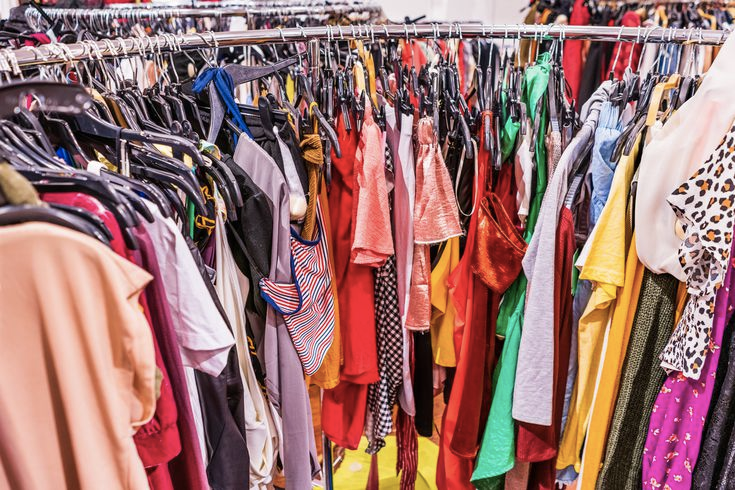
This all comes easily to us with the myth that there is a lack of clothing in the underdeveloped countries around us. However, the truth is that there is too much clothing in the world.
The second hand clothing industry is mostly fueled by global fast fashion waste and is an expansive business for profit that creates an outlet to recirculate excess clothing.
Donated clothing is generally sorted through and only the best quality pieces are selected to be sold in charity shops in highly developed countries that have a demand for vintage clothing, like the US. In the US specifically, around 10% - 20% of donated clothing is actually picked out to be resold in stores, while another 10% - 20% is down cycled into rags or insulation. So what happens to the other 60% - 80%?
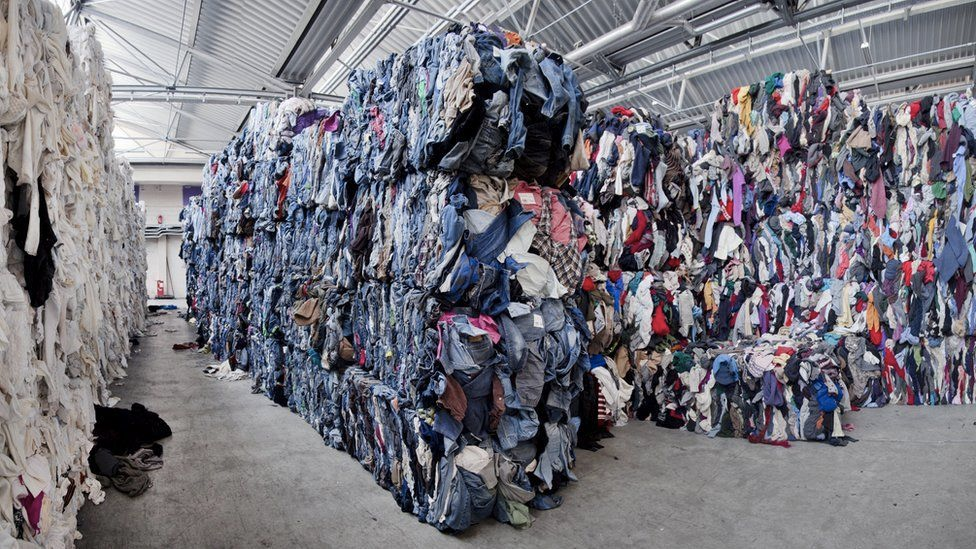
A vast majority of donated clothing is considered "unacceptable" for consumers of secondhand shops, and most of these pieces end up being packed in tight containers to be shipped to third world countries to deal with.
So what is the solution?
The truth is that there is none. We can only take action to produce and consume less from fast fashion retail companies in efforts to change our way of disposable thinking.
Shopping secondhand is widely encouraged in the sustainable fashion community, as it allows us to recirculate clothing that otherwise might have been waste.

A great alternative to donating is reselling. Apps such as Depop, Mercari, Poshmark, and Vinted are completely free to download and user-friendly. By selling your unused clothing to specific individuals that desire it, you are ensuring that your clothes are going to people who will actually wear them.
However, reselling is not for everyone and sometimes donating seems like a quicker and more convenient solution. The important thing is that if you're going to donate your clothing, make sure you do your research and donate responsibly.


Comments