


THE ETHICS OF THRIFTING: DEBUNKED
Arguments against people that are economically well-off shopping in thrift stores first surfaced on TikTok back in 2020, but the conversation on thrifting has since evolved. As more light was being shed on the damaging effects of fast fashion, more people were seeking out environmentally sustainable alternatives. Due to its accessibility, thrifting became extremely popular, especially for Gen-Z over the past few years. But this raises the question – should people who can afford to shop elsewhere buy from thrift stores? Should people with less money have the first pick when thrifting?

Despite the popularity of thrifting, many started to warn of thrift store gentrification. The primary concern is that people who can afford to shop at other places will buy out the best items at thrift stores and then turn around and re-sell their thrifted items at an elevated price to make a profit. This makes it harder for the people who shop at thrift stores out of necessity to find the clothes they need.
Others pointed to a trend where people would buy kids clothing from thrift stores and re-sell them for as much as $40 a piece. Many started voicing out on how difficult it is to find affordable clothing for children, especially now that many thrift store prices have skyrocketed due to the influx of people thrifting.
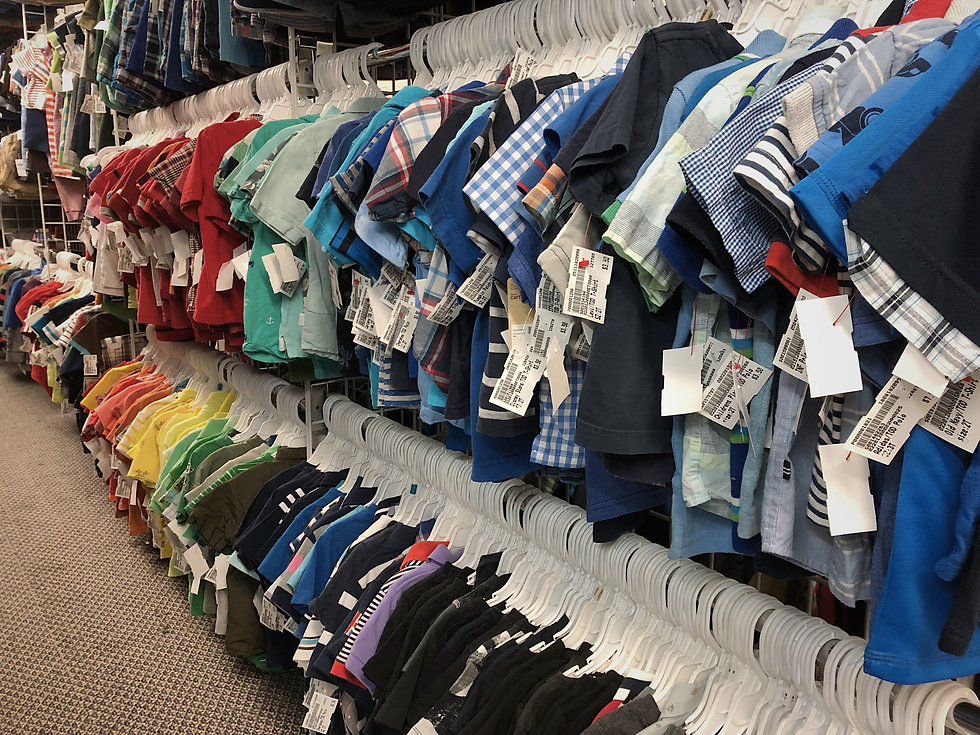
While some argue that financially well-off individuals should leave thrift stores to those who cannot afford new clothes, others demand that more people shop secondhand. Fast fashion — the current model used by the fashion industry — causes significant clothing waste, not to mention wasted money on items that will only be trendy for a short period of time. To shop sustainably means to choose to not participate in fast fashion and to buy things that have already been used or will last a long time.
An increasing majority have since changed their mind, and argue that thrifting, regardless of individual socioeconomic standing, is a positive thing. This is because thrift stores will always have thousands of new items to put up every single day for people to buy. Most items that are donated to charity shops like Goodwill are not placed in store for resale, but rather shipped off as textile waste to other countries. Many thrift stores also experience loads of unsold merchandise, many which choose to solve this problem by disposing them after a certain amount of weeks. We are experiencing a global waste issue, and we need to make an effort to reduce the amount of clothes being thrown into landfills to rot or to be burned. There is more than enough clothing to go around for everyone, and thrifting should be heavily encouraged over shopping retail.

Adding onto that, the United States Environmental Protection Agency (EPA) estimates that only 14.7% of textiles were recycled in 2018, leaving 11.3 million tons in landfills. Clothing makes up a large percentage of waste every year, while just a small chunk is actually recycled. The reported amounts of waste generated by textiles are the backbone behind the arguments for thrifting, evidence that the environmental impact of shopping secondhand is significant.
One element of this debate that makes it complex is that people often argue with their personal priorities in mind. While one person is concerned about the ethics of re-selling thrifted items to make a profit, another is far more concerned with the environmental impact of constantly buying new clothes and would rather they be resold. While both sides have a good point, it's important to take a step back and analyze the urgency of the situation. Amid a global climate crisis, it's crucial that we take steps as individuals to reduce our carbon footprint. So next time, before you purchase something from a retail store, try taking a visit to your local thrift store instead.


Comments