


NO TREND IS THE NEW TREND: THE 5 STAGES OF THE FASHION TREND CYCLE
We've all experienced the rise and fall of trends, and even the recirculation of trends. Think back to the low-rise jeans and iconic Juicy Couture tracksuits that used to be popular in the 2000's, but has made a comeback in recent years.

With the introduction of new social media platforms and the increasing accessibility to technology, fashion trends are everywhere and have only gotten faster over time. Trends are not necessarily a bad thing, but it is often unsustainable to keep up with, contributing to overconsumption and global waste. By understanding how trends are created and the negative effects they have on the fashion industry, we can become more mindful in what we choose to purchase and wear.
Fashion trends tend to move through a cycle of introduction and popularization, a cycle known as the fashion trend cycle, which includes five stages: introduction, rise, acceptance, decline, and obsolescence.

In the first stage, known as the 'introduction', a niche new style enters the fashion world, usually spotted from runway, a celebrity or influencer, or carefully introduced by a marketing agency.
In the second stage of 'rise,' we see a gradual increase in demand and aspiration for the style as more fashion influencers and trendsetters are seen wearing the style. This is when the style is officially noted as a trend, and the same stage when retailers begin to carry the same style in response to the demand.
During the 'acceptance' stage, the trend moves away from its exclusivity to being adopted by many different kinds of people. At this point, the style is often mass produced by various fast fashion companies to be sold for a cheaper price for more people to participate in the trend.
The 'decline' stage occurs with the slow realization that the trend has been fully adopted by the public and has lost its uniqueness and exclusivity that made it desirable in the first place.
In the last stage of 'obsolescence,' the style is no longer considered a trend. At this point, newer trends have been introduced, and have become more aspirational, undergoing the same exact cycle. However, knowing that fashion trends move in cycles and recirculate through the years, the trend may very well come back.
This cycle that once lasted 20 to 30 years, back when fashion magazines were the largest influence in the industry, is now being cycled in the matter of months and weeks. These fast paced trends are also known as microtrends, styles that gain popularity and demand just as quickly as they lose it.
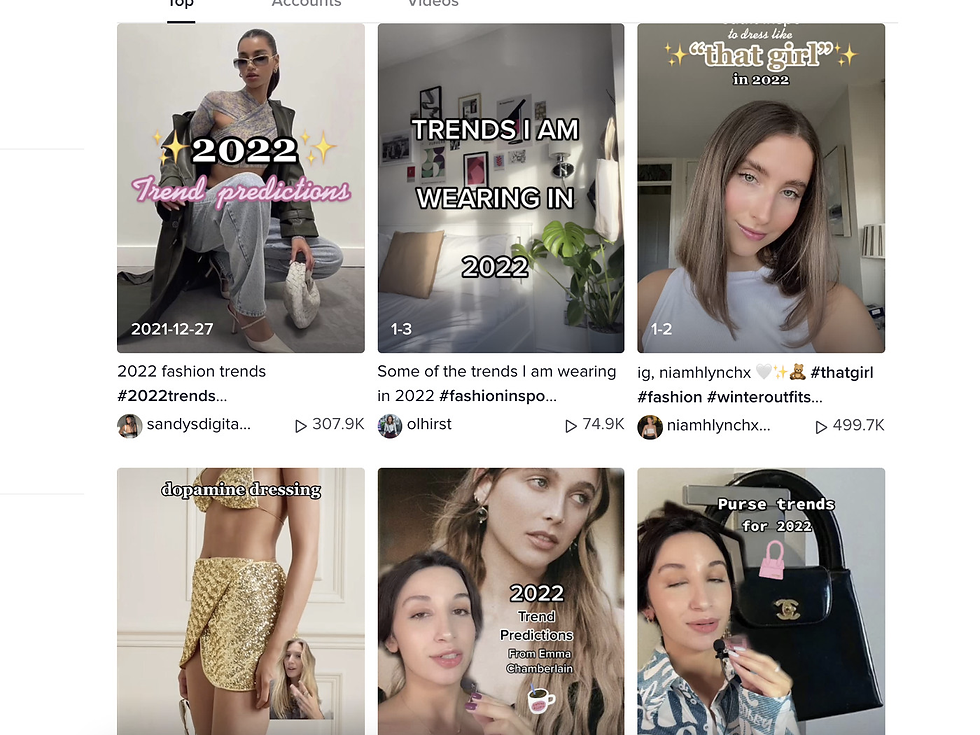
Apps such as Instagram and TikTok have made trends so visible, where videos and posts are able to receive millions of views in mere minutes, distributing content so quickly to a large population.
But who carries the burden of the increasing speed for fashion trends?
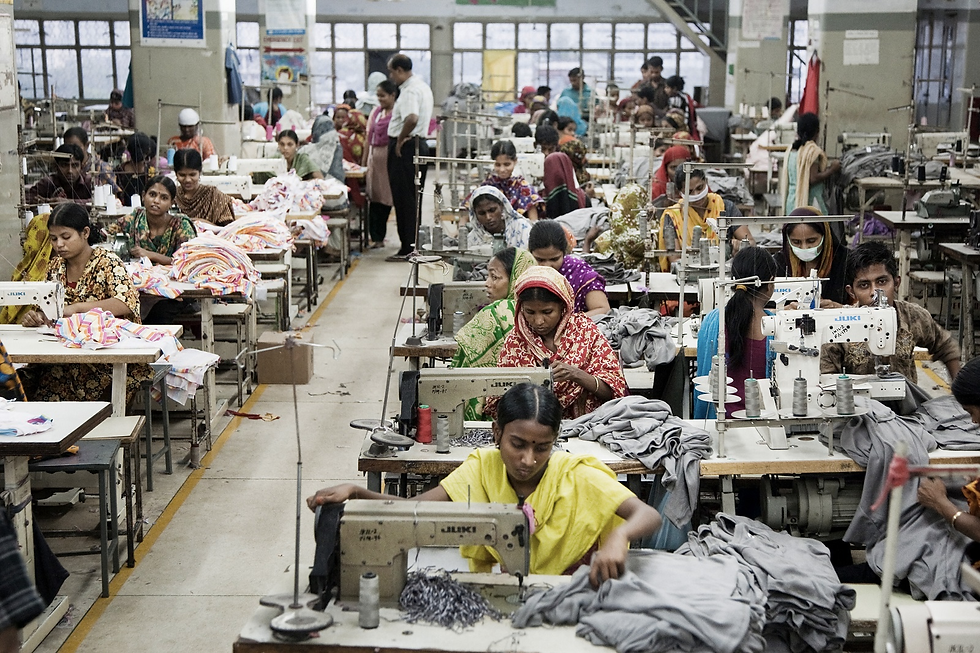
The answer is the people that make our clothes, the communities overwhelmed with textile waste, and the environment. The faster the trend cycle moves, the harder and faster garment workers are forced to work in inhumane conditions. The speed at which these trends circulate also enforces the idea of disposability and waste, which eventually ends up flooding less developed countries and contributing to global pollution.
So the next time you think about buying into an aesthetic or trend, ask yourself whether you truly like it or if you just like it because it's trendy.


Comments